
How to Increase Testosterone Naturally: What the Science Actually Says
Type “how to increase testosterone” into any search bar and you’ll be buried in powders, pills and promises. Most of them want your credit card. Very few of them have the science to back it up.
Here’s the honest version of how to increase testosterone naturally: what research actually shows can raise or protect your testosterone after 40, ranked by how strong the evidence is — and where the hype falls apart.
🩺 First, a reality check
Testosterone usually declines slowly with age — about 1% a year after 40, according to Mayo Clinic — and most men stay in the normal range. If you have symptoms like low drive, fatigue and muscle loss, the first step is a proper morning blood test. See our guide to low testosterone symptoms.
Mayo Clinic experts note that lifestyle changes can be effective at raising testosterone — without the side effects common with supplements or injections. And Harvard Health says doctors often recommend a trial of intense lifestyle changes for men with low testosterone before considering medication. Here’s where to focus.
1. Lose the extra weight — especially around your middle
Strong evidence
This is the biggest lever for many men. Excess body fat — particularly belly fat — is linked to lower testosterone. A 2013 meta-analysis of 24 studies in the European Journal of Endocrinology found that both low-calorie diets and bariatric surgery led to a significant rise in testosterone in men with obesity, with bigger gains when more weight was lost. Harvard Health notes that losing weight through diet and exercise can raise testosterone by up to 30%, according to some research.
Start here: you don’t need a crash diet. Steady changes — fewer sugary drinks, more vegetables and lean protein, smaller evening portions — add up over months.
2. Protect your sleep

Strong evidence
Most of your daily testosterone is released while you sleep. In a University of Chicago study published in JAMA, healthy young men who slept just 5 hours a night for one week saw their daytime testosterone drop by 10% to 15% — the researchers compared it to aging 10 to 15 years. Sleep fragmentation and obstructive sleep apnea are also linked to lower levels.
Start here: aim for 7–9 hours, keep the same wake-up time every day, and if you snore loudly or wake up gasping, ask your doctor about sleep apnea.
3. Move — any way you enjoy
Good evidence
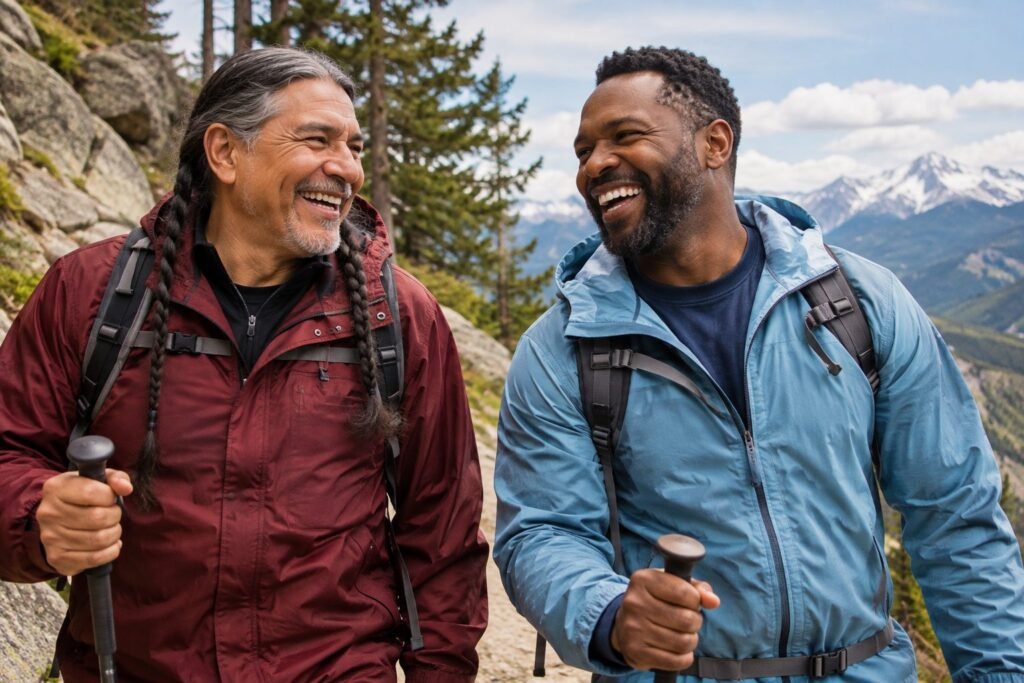
Mayo Clinic notes that low testosterone is common in men who don’t exercise, and that both resistance training and aerobic exercise appear to increase testosterone production. So pick what you’ll actually do: lifting, brisk walking, cycling, swimming, a weekend game. One caution from Mayo Clinic: very heavy training combined with not eating enough can lower testosterone — fuel your workouts.
Start here: two or three strength sessions a week (push-ups, squats, rows or weights) plus a daily walk.
4. Go easy on alcohol
Good evidence
Harvard Health notes that excessive drinking can lower testosterone. It also wrecks sleep quality — which hits testosterone a second time. Cutting back helps on both fronts.
5. Review your medications
Worth checking
Some medicines, such as opioid pain relievers, can lower testosterone, according to Mayo Clinic. Never stop a prescription on your own — but it’s worth asking your doctor whether anything you take could be playing a part.
What about “testosterone booster” supplements?
That study, published in The World Journal of Men’s Health, found an average of more than eight ingredients per product, and concluded that men should be told these supplements may not contain ingredients that support their claims. If you’re considering one anyway, check the label for doses above recommended limits, look up the brand in the FDA’s health fraud database, and talk to your doctor first.
Frequently asked questions
How fast can lifestyle changes raise testosterone?
It varies. Sleep loss can lower testosterone within a week, so improving sleep may help relatively quickly. Changes from weight loss and exercise usually build over months.
Does lifting weights increase testosterone?
Mayo Clinic says both resistance training and aerobic exercise appear to increase testosterone production. Strength training also helps protect muscle, which tends to decline with age.
Should I just start testosterone therapy?
Only if a doctor confirms low testosterone with proper blood tests and symptoms. Therapy has real trade-offs and isn’t right for everyone. Lifestyle changes are usually the first step either way.
How to increase testosterone naturally: the bottom line
The most powerful testosterone “boosters” aren’t sold in a bottle. Losing extra weight, sleeping enough, moving regularly and drinking less have the strongest evidence — and they improve almost everything else about your health along the way. Pick one to start this week, and if your symptoms don’t budge, get a proper blood test.
📚 Keep reading
Sources
- Mayo Clinic. How to naturally boost testosterone.
- Mayo Clinic. Male menopause: Myth or reality?
- Harvard Health Publishing. Lifestyle strategies to help prevent natural age-related decline in testosterone.
- Corona G, et al. Body weight loss reverts obesity-associated hypogonadotropic hypogonadism: a systematic review and meta-analysis. European Journal of Endocrinology, 2013.
- Leproult R, Van Cauter E. Effect of 1 week of sleep restriction on testosterone levels in young healthy men. JAMA, 2011.
- Clemesha CG, Thaker H, Samplaski MK. ‘Testosterone Boosting’ Supplements Composition and Claims Are not Supported by the Academic Literature. The World Journal of Men’s Health, 2020.
This article is for general information only and is not medical advice. Talk to your doctor before starting any supplement or treatment.